






Written by: Professor Geek (The Geek Educator)
Edited by: Greg Kowalczyk, CEO & Co-Founder, TapeGeeks Inc.
What Is Turf Tape? The Athletic Tape Used by Pros in Football and Field Sports
Quick Answer
Turf tape is rigid athletic tape applied over cleats and around fingers to protect against turf burns, blisters, and abrasions during field sports. It's the black or white tape you see on footballers' boots and fingers — tough, sticky, and designed to take punishment on artificial turf.
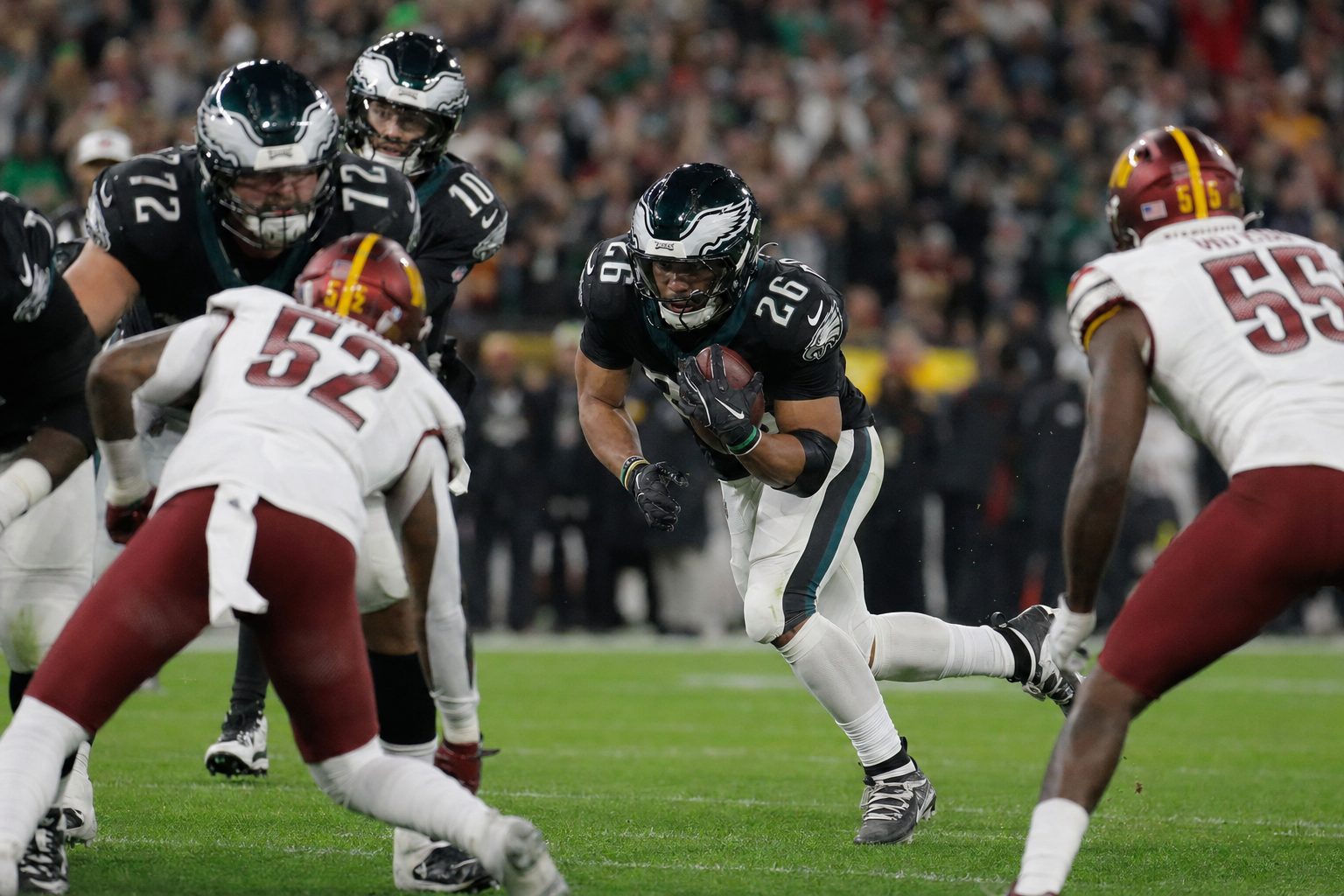
If you've watched a game of football, rugby, or field hockey recently and spotted players with tape wrapped tightly around their cleats or fingers, you've already seen turf tape in action. It's not kinesiology tape. It's not medical tape. It's a different animal entirely — built for durability, friction, and protection on synthetic surfaces.
This guide breaks down exactly what turf tape is, why athletes use it, how to apply it correctly, and what the best options are for different sports.
What Is Turf Tape?
Turf tape is a heavy-duty athletic tape — typically cotton or a cotton-synthetic blend with a strong zinc oxide adhesive — used to protect the feet, toes, and fingers during contact sports played on artificial turf or hard grass surfaces.
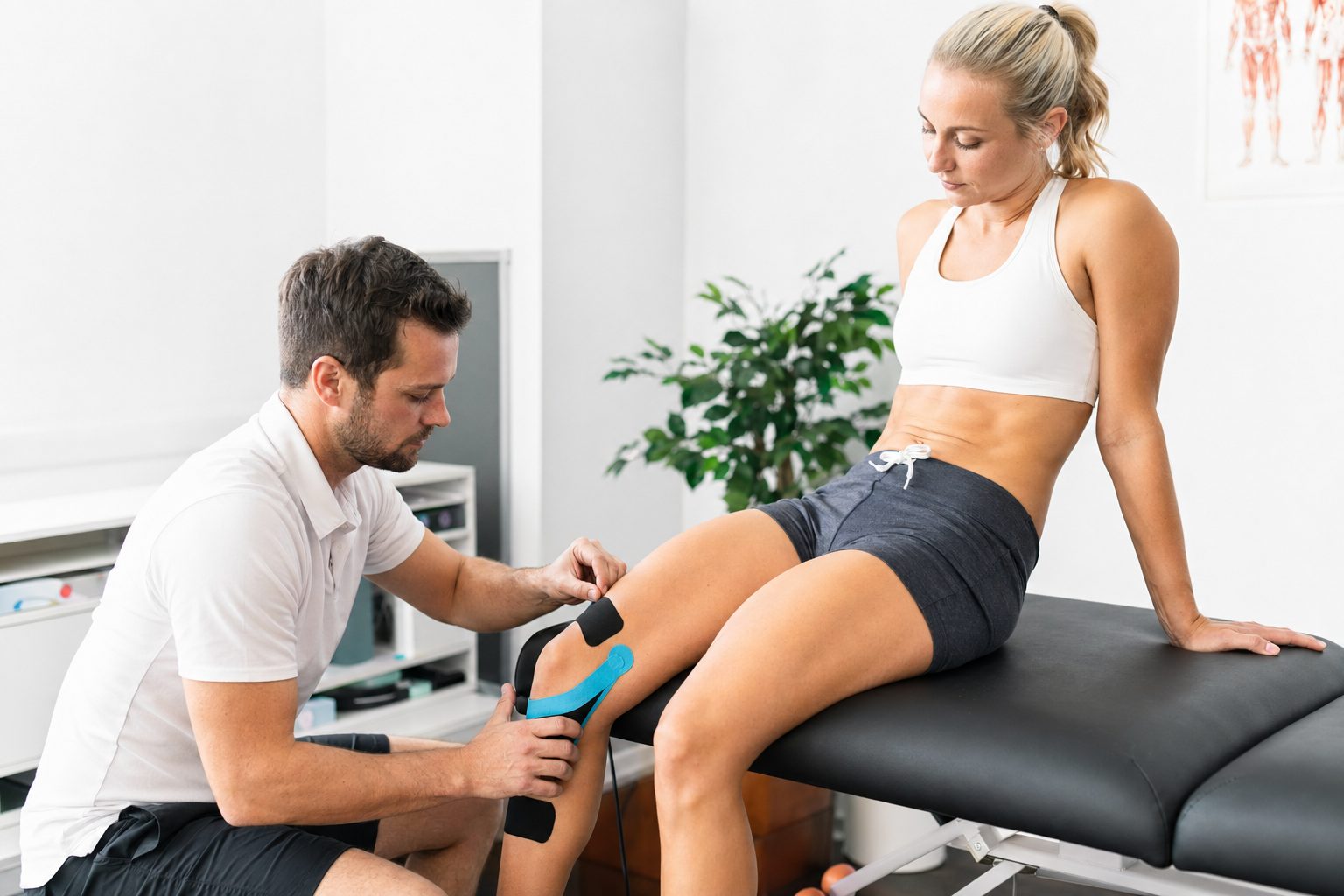
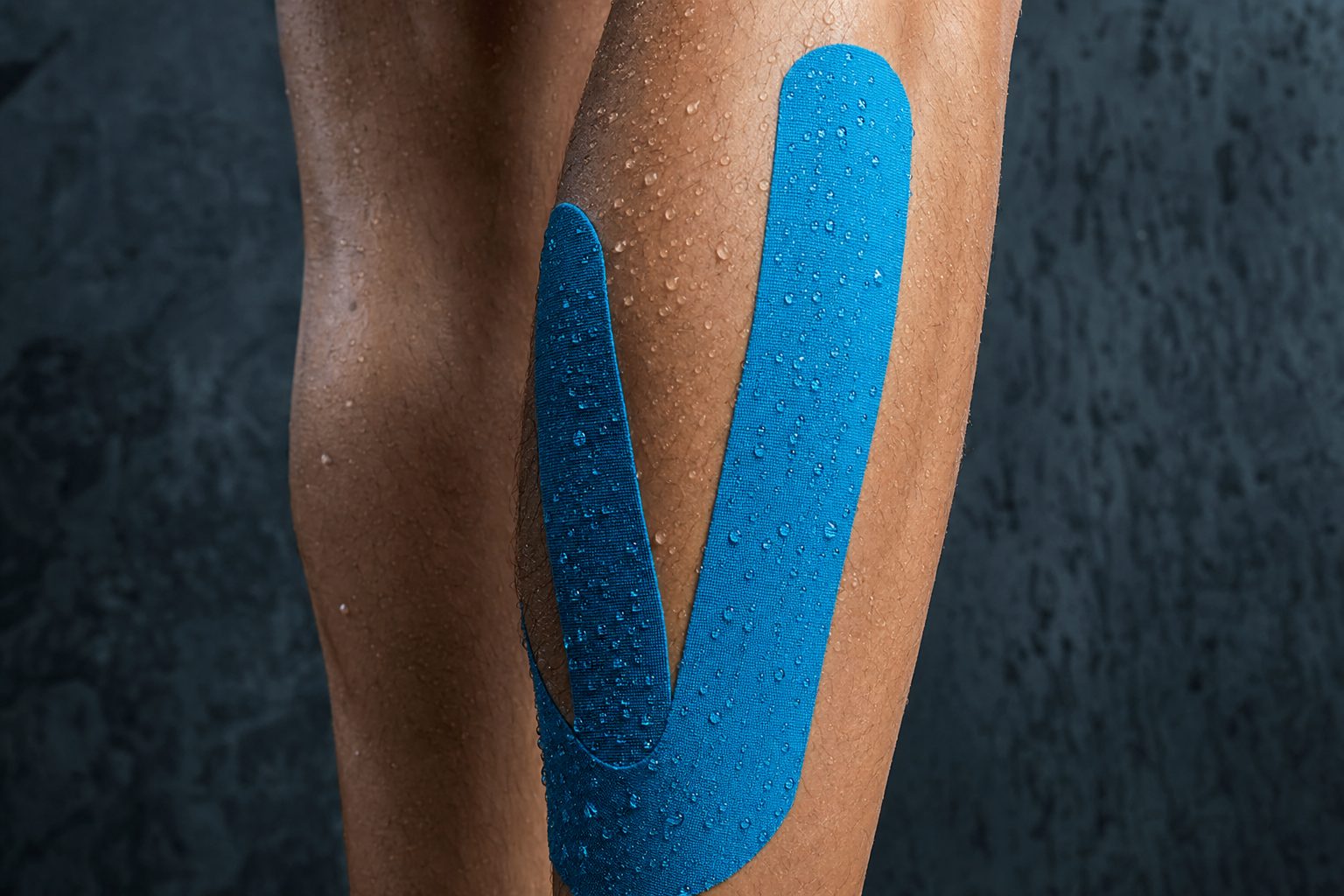
Unlike kinesiology tape, which is stretchy and supports muscles and joints, turf tape is rigid and non-elastic. Its purpose is physical protection, not biomechanical support.
The most common uses:
- Cleat taping: Wrapping the toe box and lace area of boots to prevent blisters from repeated cleat contact
- Finger taping: Protecting fingertips and knuckles during catching, tackling, and blocking
- Turf burn prevention: Creating a barrier layer over skin prone to abrasion on synthetic surfaces
- Blister prevention: Covering hot spots before they become open wounds
Why Athletes Use Turf Tape (Not Just Regular Tape)
Most sports tape works fine for short sessions, but turf sports are different. You're sliding, diving, and dragging across a surface that behaves more like sandpaper than grass. Regular tape shreds. Turf tape doesn't.
| Property | Turf Tape | Regular Athletic Tape | Kinesiology Tape |
|---|---|---|---|
| Stretch | None (rigid) | None (rigid) | 35–40% elastic |
| Adhesive strength | Very high | Medium–high | Skin-gentle |
| Water resistance | Moderate–high | Low | High |
| Primary purpose | Abrasion/blister protection | Joint stabilization | Muscle/joint support |
| Texture | Smooth cloth or foam | Rough cotton | Soft wave-weave |
| Common colors | Black, white | White, tan | Multiple colors |
The Turf Problem
Artificial turf fibers are abrasive by design — they're meant to grip cleats. When skin contacts turf at speed, the result is turf burn: a painful abrasion that can sideline an athlete for days. Turf tape acts as a sacrificial layer. The tape wears down instead of your skin.
How to Apply Turf Tape on Cleats
Cleat taping is the most common application. Here's the professional method used by kit staff in top-level football leagues:
- Put on your socks first — tape goes over the sock, never directly on the foot unless protecting a specific hot spot
- Lace your boots normally — turf tape goes over the lacing system
- Start at the toe box — anchor a strip horizontally across the front of the boot
- Layer toward the ankle — each strip overlaps the previous by 50% and wraps around both sides
- Lock the laces — the final horizontal strips should cross over the lace knot area
- Smooth all edges — press firmly to remove air pockets and prevent edges from peeling mid-game
- Test range of motion — flex your foot — the tape should stay put and not restrict ankle movement
💡 Pro Tip: Cut your strips before the game — don't tear turf tape mid-application. Pre-cut 8–10 strips at the length of the boot width for the fastest, most consistent result.
How to Apply Turf Tape on Fingers
Finger taping with turf tape is common in football, basketball, and volleyball. The goal is protecting the knuckles and fingertips while maintaining enough dexterity to play.
- Clean and dry the finger — no lotion, no moisture
- Apply an anchor strip around the base of the finger (not too tight — you should still feel circulation)
- Buddy tape if needed — for sprained or vulnerable fingers, tape two fingers together for lateral support
- Cover the knuckle — use a strip long enough to wrap around the joint twice
- Test grip strength — make a fist. Tape should not cut off circulation or dramatically reduce grip
⚠️ Important: Turf tape should never be so tight it causes numbness or colour change in the fingertip. If fingers feel numb within 10 minutes, remove the tape and reapply with less tension.
Turf Tape vs Kinesiology Tape: Choosing the Right One
Athletes often confuse these two products because both are used in field sports. They serve completely different purposes.
Use turf tape when:
- You need to protect skin from abrasion (cleats, knuckles, elbows)
- You're covering blisters or hot spots before they open
- You need a rigid lock on lacing systems
- The tape will take physical punishment from surface contact
Use kinesiology tape when:
- You have a muscle strain, joint instability, or tendon issue
- You need proprioceptive feedback during movement
- You want tape that stays comfortable for 3–5 days
- You're managing a chronic injury through a season
For running-related injuries, check our guide to how to tape different areas of the body — it covers kinesiology tape applications for knees, ankles, shoulders, and more.
Best Athletic Tape for Turf Sports
Professional kit staff at Premier League and NFL clubs typically use 38mm white or black zinc oxide tape. For retail options:
- TapeGeeks Athletic Tape — 38mm cotton-poly blend, strong adhesive, clean removal
- For cleat taping: 38–50mm width for maximum coverage per strip
- For finger taping: 25mm is ideal — enough coverage without excessive bulk
- Black vs white: Both perform identically. Color is purely aesthetic — many players match their boot color