


Everything TapeGeeks makes, in one place. TapeGeeks is a Canadian, family-run brand making pro-grade taping, recovery, and better-breathing products for athletes, physiotherapists, clinics, runners, and families. From premium kinesiology tape and rigid athletic tape to cohesive wraps, precision scissors, and our drug-free Breathe+ sleep range, everything is chosen to actually work — latex-free and hypoallergenic where it counts, and backed by thousands of customer reviews across Amazon and our own store.
New here and not sure where to start? Use the category guide below to find the right product fast, or jump straight to Kinesiology Tape, Athletic & Sports Tape, Bandages & Wraps, the Breathe+ Sleep Collection, or Scissors & Medical Shears. The guide below is a complete overview of what we make, who it's for, how to choose, and how we ship, return, and support your order.
A complete overview of TapeGeeks — who we are, everything we make, who each product is for, how to choose, and how we ship, return, and support. Educational information about our range; product usage guidance is not medical advice.
TapeGeeks is a Canadian, family-owned company based in Oakville, Ontario, specializing in athletic taping, recovery, and better-breathing products. We supply everyday athletes and active families as well as professionals — physiotherapists, chiropractors, athletic trainers, coaches, clinics, and teams. Our focus is simple: pro-grade products that perform, with honest guidance on how (and when) to use them. We sell direct through this store and on Amazon in the US, Canada, and Europe, and we supply clinics and retailers through wholesale.
Our catalog spans four families — taping, wraps & bandages, better breathing, and tools:
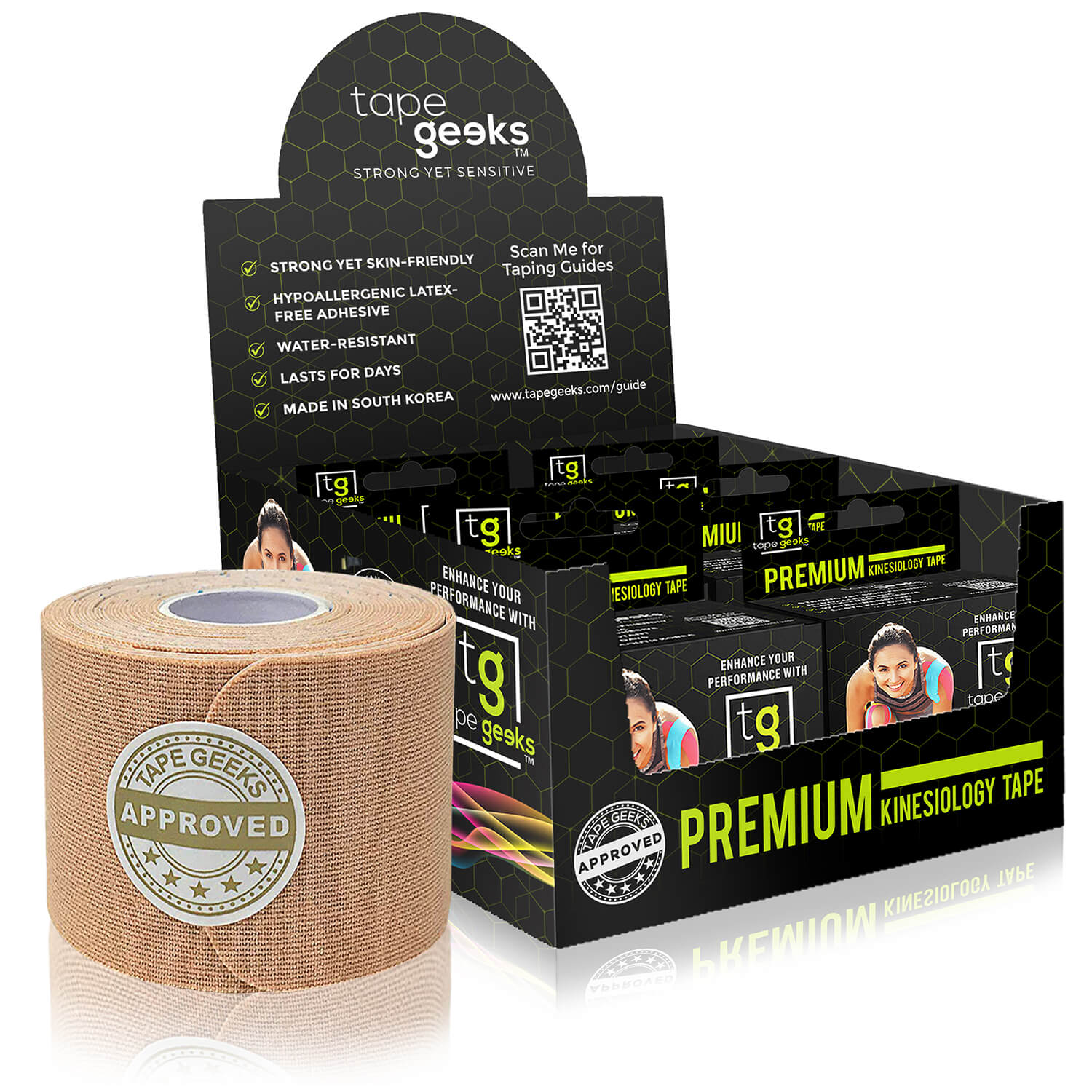
Our flagship range. Kinesiology tape is a stretchy cotton tape that moves with your skin to give light support and sensory feedback without restricting motion — used for knees, shoulders, shins, ankles, elbows, wrists, and backs. TapeGeeks K tape is latex-free, hypoallergenic, and water-resistant for multi-day wear through sweat and showers, and comes in standard rolls, precut strips, bulk rolls for clinics, and fun patterns. Shop kinesiology tape →
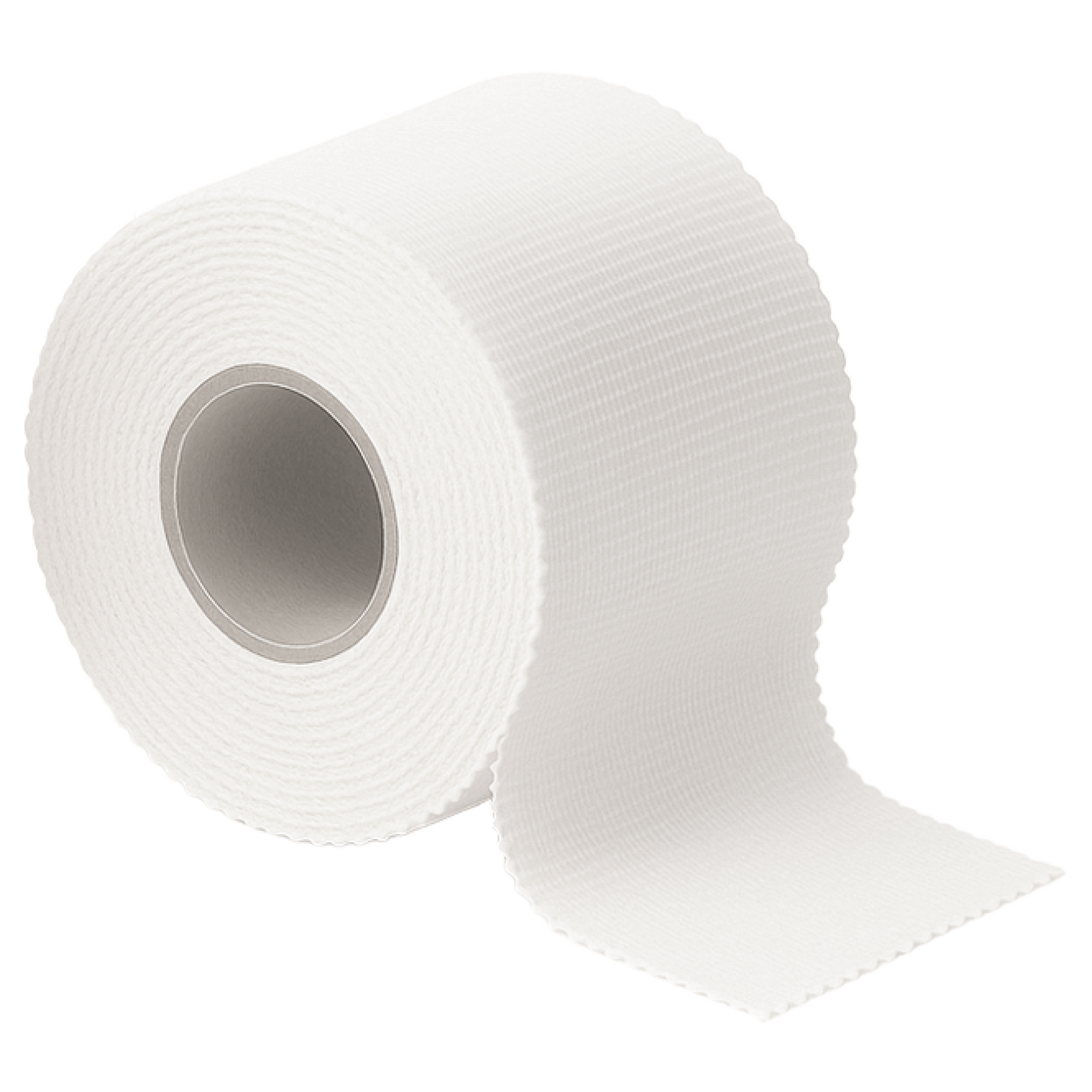
Rigid, non-stretch tape for firm joint support and grip — the classic white tape for ankles, wrists, thumbs, and fingers, plus finger/weightlifting tape for BJJ, CrossFit, climbing, and gymnastics. It tears cleanly by hand and pairs with foam underwrap to protect the skin. Shop athletic tape →
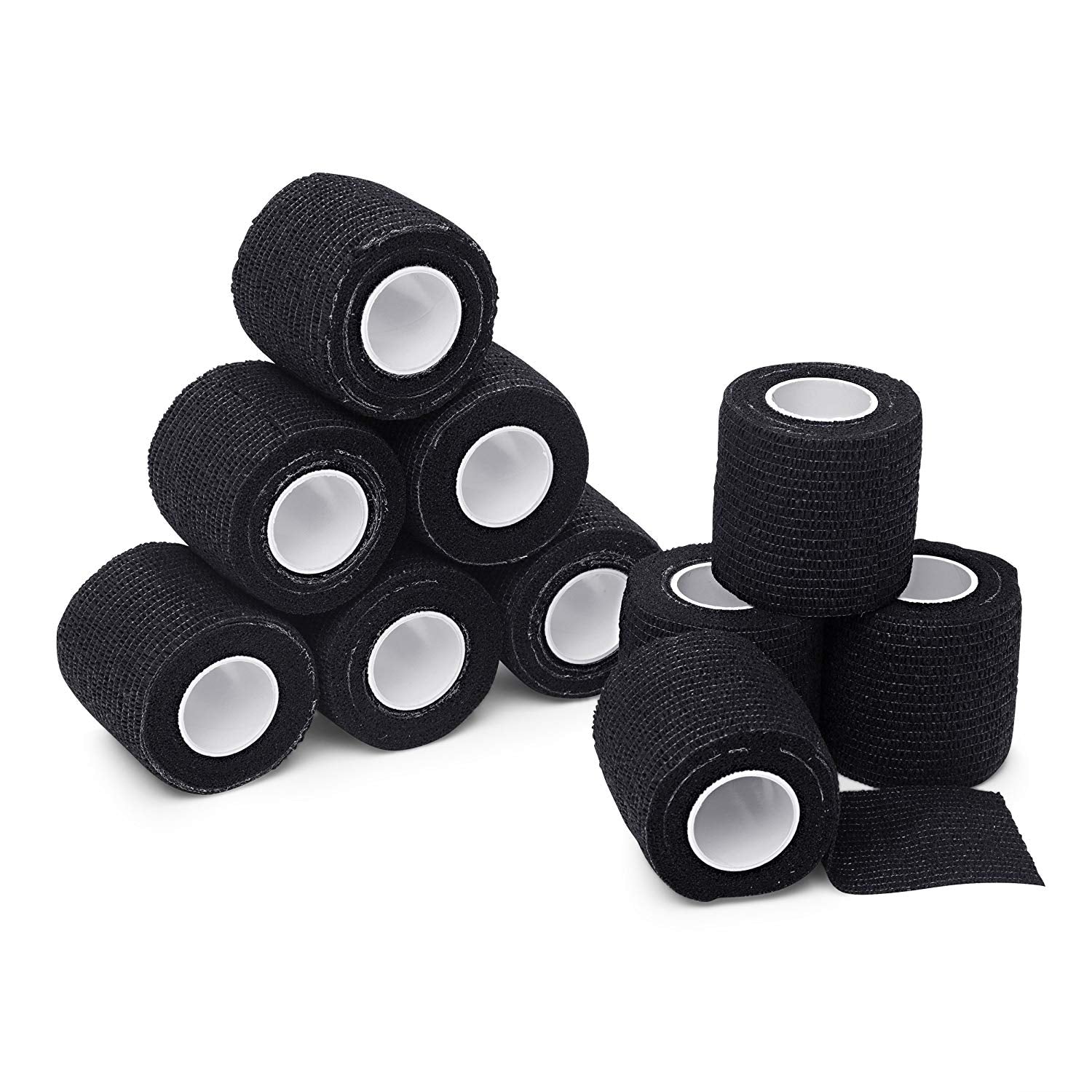
Self-adherent wrap (a.k.a. vet wrap) that sticks to itself, not skin — for light compression, holding dressings, grip, first aid, and pets, with no sticky residue. The range also includes elastic adhesive bandage and underwrap. Shop bandages & wraps →
Our drug-free better-breathing line: gentle mouth tape to encourage nasal breathing for adults, adult nasal strips and kids' nasal strips (ages 5+) to open a stuffy nose, and family sleep kits. Everything is drug-free and designed for quieter, more restful sleep. Shop the Sleep Collection →
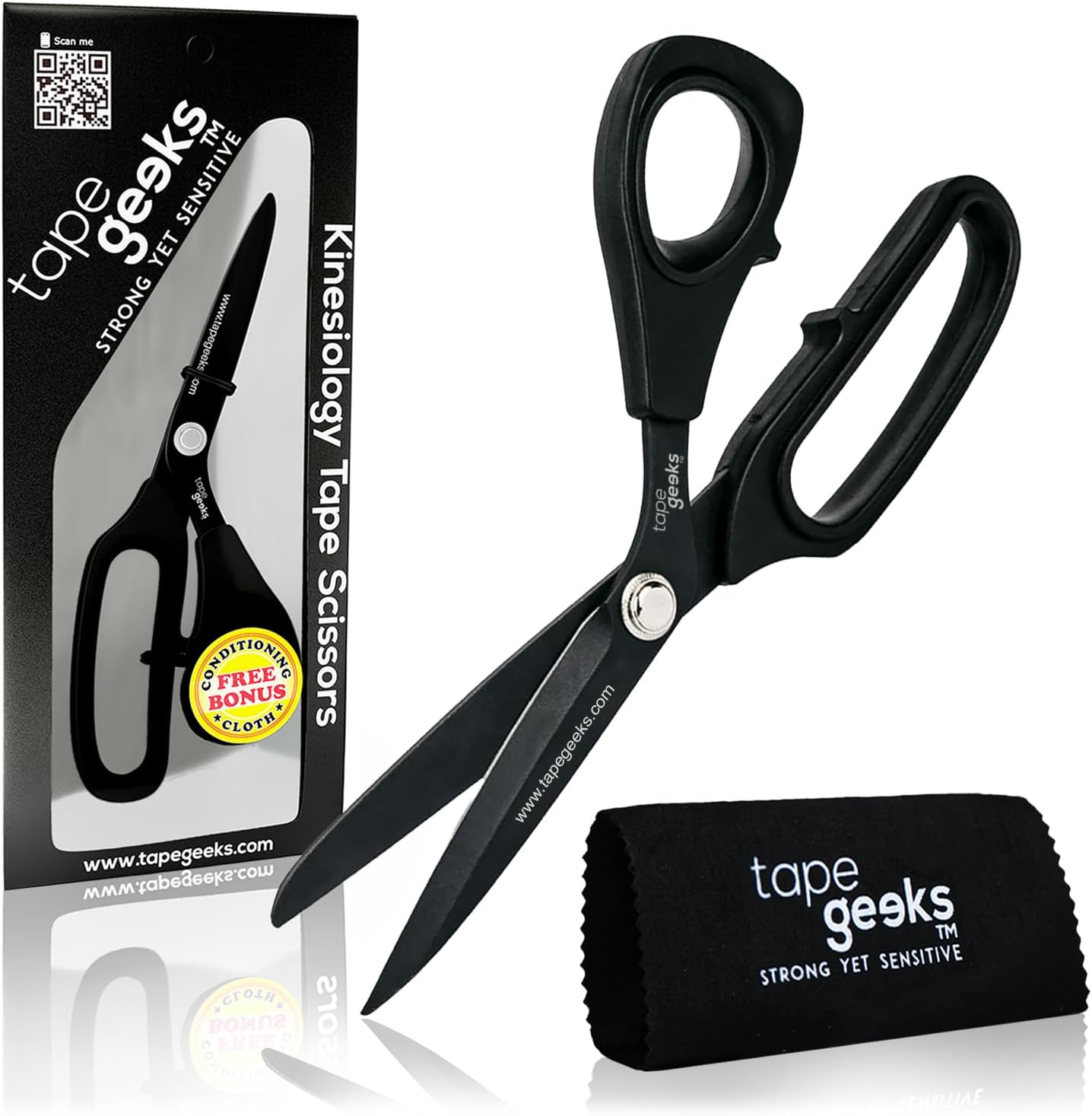
Precision matters when you tape. Our kinesiology taping scissors (a top-rated, multi-use favourite) cut adhesive tape cleanly and round corners, and our medical scissors and trauma shears serve nurses, vets, and first responders. Bundles pair them at better value. Shop scissors →
The quick decision guide:
| If you want to… | Use |
|---|---|
| Support a joint but keep moving (multi-day) | Kinesiology tape |
| Lock a joint down firmly for one session | Athletic (rigid) tape |
| Light compression / hold a dressing / no residue | Cohesive bandage (vet wrap) |
| Support with some movement, stuck to skin | Elastic adhesive bandage |
| Open a stuffy nose (kids 5+ & adults) | Nasal strips |
| Encourage nasal breathing (adults) | Mouth tape |
| Cut tape cleanly / first aid | Taping & medical scissors |
Everyday athletes and weekend warriors; runners, CrossFitters, lifters, climbers, and grapplers; physiotherapists, chiropractors, athletic trainers, and clinics; coaches and sports teams; parents and families (our drug-free kids' nasal strips and sleep range); and anyone building a well-stocked first-aid kit. If you tape, wrap, recover, or want to breathe and sleep better, there's something here for you.
Three things: quality (pro-grade adhesives and materials trusted by clinics and thousands of reviewers), skin-friendliness (latex-free, hypoallergenic tape and drug-free breathing products), and honest guidance (we tell you what a product can and can't do, and when to see a professional). We're a Canadian small business that stands behind what we sell.
We supply clinics, physiotherapists, chiropractors, athletic-training rooms, gyms, and retailers with wholesale kinesiology tape and taping supplies, including bulk rolls. If you're a professional or reseller, see our wholesale page or reach out to admin@tapegeeks.com to set up an account. We also offer bulk options on-site for teams and heavy users.
You can buy directly on this store (tapegeeks.com), and you'll also find TapeGeeks on Amazon in the United States, Canada, and Europe. Buying direct gives you the full range, bundles, and wholesale options in one place. For clinics and teams, wholesale is the best-value route.
We offer free shipping on qualifying orders over $50. Returns are accepted on unopened items in their original packaging within 30 days of purchase with proof of purchase; after 30 days we're unable to offer a refund or exchange. Only regular-priced items are refundable (sale items are final), and return shipping is arranged and paid by the customer. Refunds are issued to your original payment method once we receive and inspect the item. Questions about an order or return? Email admin@tapegeeks.com.
Our kinesiology and athletic tapes use skin-friendly adhesives, and our K tape is latex-free and hypoallergenic. The Breathe+ range is 100% drug-free — nasal strips and mouth tape work mechanically, with nothing absorbed. As with any adhesive product, patch-test if you have very sensitive skin and discontinue use if irritation occurs. Our taping, wraps, and breathing products are supportive comfort aids, not medical treatments — see a professional for a specific injury or medical condition.
Questions before you buy, help choosing a product, or wholesale enquiries — email admin@tapegeeks.com and our team (a small Canadian crew) will help. You can also read product-specific guidance in the FAQ on each category page.
 Tappy AI assistant