





Kinesiology Tape for Runners: A Race-Day Guide From the Bronte Harbour Classic
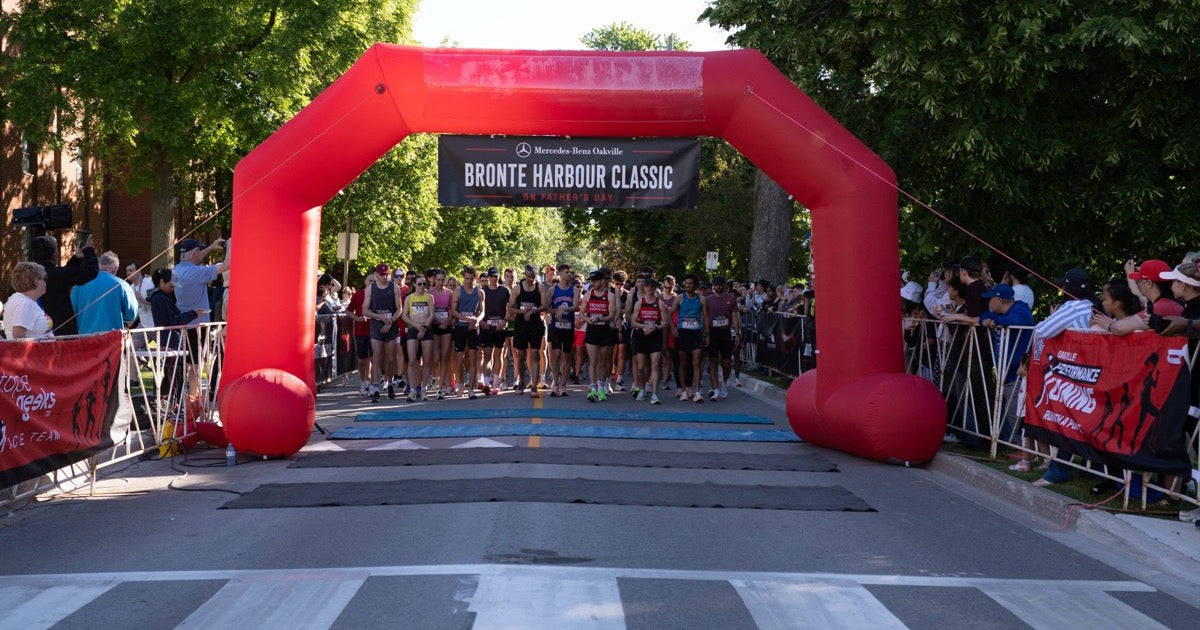
On Father's Day, more than 900 runners lined up at Bronte Heritage Waterfront Park in Oakville for the first-ever Mercedes-Benz Oakville Bronte Harbour Classic. TapeGeeks was one of the organizing partners — our Race Team banner stood right at the start line — and watching that many runners go off on one warm morning is the best reminder of why we make what we make. It also surfaced the same question we hear at every event: does kinesiology tape for runners actually do anything, and if so, how do you use it right? This guide answers that honestly, then walks through application, race-day prep, and recovery.
What Kinesiology Tape Actually Does for Runners
Kinesiology tape works mainly by changing how a body part feels, not by mechanically holding it in place. The stretchy cotton strip lifts the skin slightly and feeds your nervous system constant input from the area, which is why a taped knee or shin often feels more "switched on" and less sore mid-run. That sensory effect, called proprioception, is the most consistent benefit researchers and physiotherapists report.
It is worth being straight about the science, because most brand pages aren't. A scoping review of kinesiology taping in sport found studies split almost down the middle, with a slight majority concluding the tape was not clearly effective for performance or strength. Publications like Runner's World and physiotherapists writing for running audiences reach the same balanced verdict: any benefit to muscle strength or swelling is small, and the clearest wins are in pain relief and confidence for specific issues such as runner's knee, IT band syndrome, and plantar fasciitis. In plain terms, tape is a useful support tool for a grumbly area, not a treatment that fixes the underlying problem.
When to Tape — and When to See a Physio Instead
Kinesiology tape is for minor, familiar niggles, not for injuries that change how you run. A tight IT band that whispers on long runs, a knee that aches after hills, a calf that needs a little reassurance — those are good candidates for support. The tape buys comfort and awareness while you keep training sensibly. It is a green light, not a painkiller you race through.
How to Apply Kinesiology Tape for the Most Common Running Spots
Good application matters more than which brand you buy, because tape that peels or pulls too tight does nothing useful. The universal rules are the same for every body part: tape clean, dry, oil-free skin; round the corners of each strip so edges don't catch and lift; anchor the ends with no stretch; and rub the tape firmly for ten seconds so body heat activates the adhesive. Then let it set for an hour before you run.
Runner's knee (kneecap support)
For general knee pain and patellar tracking, bend the knee to about 90 degrees and run a strip from below the kneecap, curving around the inside, finishing on the thigh with light tension through the middle and no stretch at the ends. A second strip mirrors it on the outside. The two strips frame the kneecap and give the joint constant feedback as you run.
IT band (outer knee and thigh)
Iliotibial band syndrome shows up as pain on the outside of the knee. Anchor one strip just below the outer knee and lay it up the outside of the thigh toward the hip with light stretch, ends unstretched. This is the single most-searched running taping technique, and it pairs best with hip and glute strength work rather than tape alone.
Shin splints (lower leg)
For shin pain, use a Y or I strip applied over the muscle on the inside of the lower leg with only a gentle stretch — roughly 10 to 15 percent. The goal is light support and awareness along the shinbone, not compression. Keep the tension low here; over-stretched tape on the shin is a common reason application feels uncomfortable.
Shop TapeGeeks Kinesiology Tape →Race-Day Taping: How to Use Tape on the Morning of a 5K
The cardinal rule of race-day taping is to never try it for the first time on race morning. Whatever you tape at the start line should be something you've already applied and run on in training, so you know it holds and helps. The Bronte Harbour Classic 5K went off at 8:30 AM on a warm, clear day — exactly the conditions where a rushed, untested tape job peels at kilometre two.
If a spot has been bothering you, apply the tape about 30 to 60 minutes before the gun on clean, dry skin. That window lets the adhesive bond and set before you start sweating. Quality tape applied this way holds through a full sweaty 5K and well beyond. Skip lotion or sunscreen on the area before taping, since both stop the adhesive from gripping.
Taping and Recovery After a Hard Run
The 48 hours after a hard 5K decide how quickly you bounce back, and tape has a small but real role. If a niggle flared on the fast kilometres — a cranky knee, a tight calf, an Achilles that complained — leaving supportive tape on through the easy days afterward can keep you comfortable enough to do light movement instead of sitting still. Active recovery, sleep, and steady hydration do the heavy lifting; tape just helps the moment.
Removing tape matters too. Don't rip it off. Peel it slowly in the direction of hair growth, and use a little baby oil or warm water if it resists, so you protect the skin for next time. If the same spot keeps needing tape race after race, that's your body flagging a pattern to address with strength work or a physio — not a reason to keep taping indefinitely.
Train Smarter Between Races
Most running injuries build up quietly — too many miles too soon, or shoes run long past their cushioning — and those are the patterns tape can't touch. That's what our running app, RunMate Pro, is built to catch: it tracks your GPS runs and shoe mileage so you replace worn-out shoes before they break down, and you can spot a training spike before it becomes the injury you'd otherwise be taping. Tape handles the moment; tracking handles the trend. The runners who stay healthy treat both seriously.
A Fast, Friendly First Edition
The race that prompted this guide set a high bar. The front of the field was genuinely quick — three runners broke 15 minutes, led by Adam Schmidt's 14:43, with Owen Parkes (14:55) and Lucas McAneney (14:57) right behind, three sub-15:00 finishers at a first-year community race. Sadie-Jane Hickson was the first woman across in 16:34. Behind the leaders, a sold-out field of 800-plus in the 5K, 130-plus kids in the 1K, and families of every level made up the heart of the morning. Alongside TapeGeeks, the day was put on by GearTOP Design, Pace Performance, Oakville Performance Running, and the Bronte Runners Club.
Frequently Asked Questions
The evidence is mixed. Studies are split roughly evenly, and any effect on muscle strength or swelling appears small. The most consistent benefit is improved body awareness and pain relief for specific issues like runner's knee, IT band syndrome, and plantar fasciitis. Treat kinesiology tape as a support and confidence tool for a niggle, not a cure for an underlying injury.
Bend the knee to about 90 degrees and apply one strip from below the kneecap, curving around the inside up to the thigh, with light tension through the middle and no stretch at the ends. Add a second strip mirroring it on the outside. Tape clean, dry skin, round the corners, and rub firmly so the adhesive activates before you run.
Apply it about an hour before activity for the best adhesion, and at minimum 30 minutes before. That window lets body heat bond the adhesive to your skin before you start sweating. On race morning, tape on clean, dry, lotion-free skin, press each strip firmly for several seconds, then warm up. Never apply tape after you've already begun to sweat.
Quality tape will. The keys are clean, oil-free skin, rounded corners that resist peeling, firm pressure to activate the adhesive, and applying it 30 to 60 minutes before you start. TapeGeeks kinesiology tape is built to hold through sweat and a full race. Avoid sunscreen or lotion on the taped area, since both stop the adhesive from gripping.
It can offer light support and awareness for mild shin pain. Apply a Y or I strip over the muscle on the inside of the lower leg with only a gentle 10 to 15 percent stretch — not tight compression. Tape is a comfort aid, not a fix; persistent shin pain needs load management, fresh shoes, and a professional assessment if it doesn't settle.
Not on its own. Tape can add support and body awareness to an area that's bothering you, but it doesn't replace the real injury-prevention work: progressing mileage gradually, running in fresh shoes, building strength, and resting. Tracking your training load and shoe mileage catches the patterns that cause most running injuries long before tape would ever be needed.
Don't rip it off. Peel it slowly in the direction of hair growth, pressing the skin down as you go. If it resists, soften the adhesive first with a little baby oil, lotion, or warm water. Removing tape gently protects your skin so it stays healthy enough to tape the same area again next time.
Train, tape, breathe, race: the TapeGeeks runner system
Quick answer: TapeGeeks supports runners beyond race day with four connected tools: RunMate Pro for training and shoe mileage, Performance Tape for taping and recovery, Breathe+ mouth tape and nasal strips for nasal-breathing routines, and the Bronte Harbour Classic community race platform.
- Shop TapeGeeks kinesiology tape for runner’s knee, shin, IT band, ankle, and plantar fascia support.
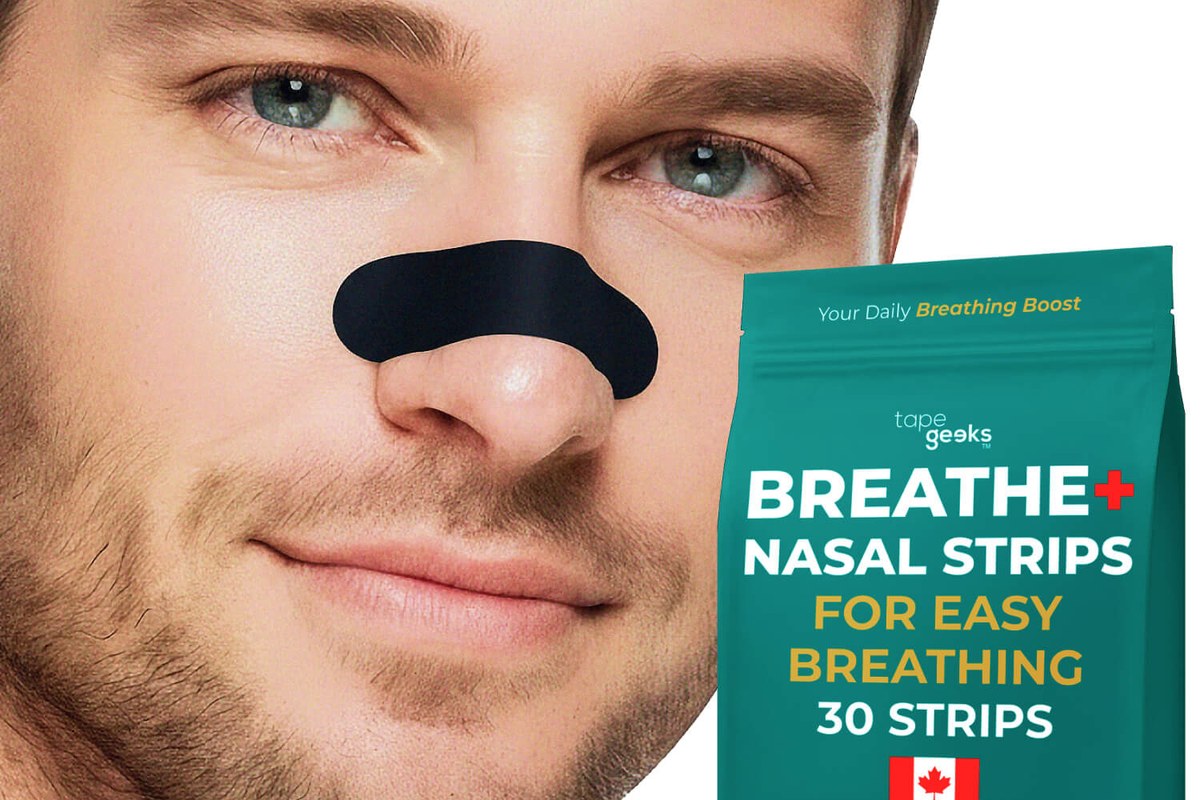
- Try adult nasal strips for drug-free airflow support during sleep, travel, and race weekends.
- Use kids nasal strips for ages 5+ when congestion or stuffiness affects sleep before active days.
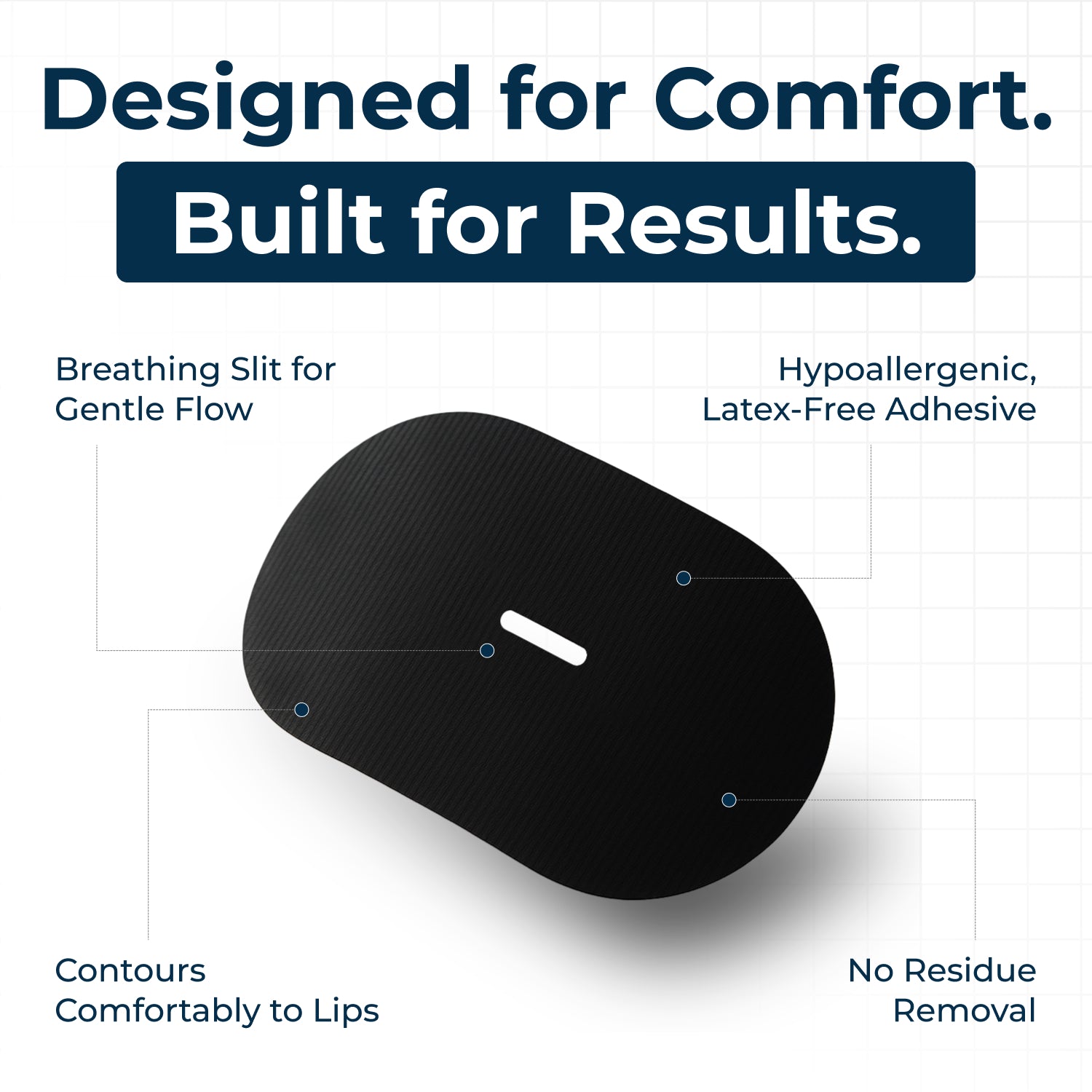
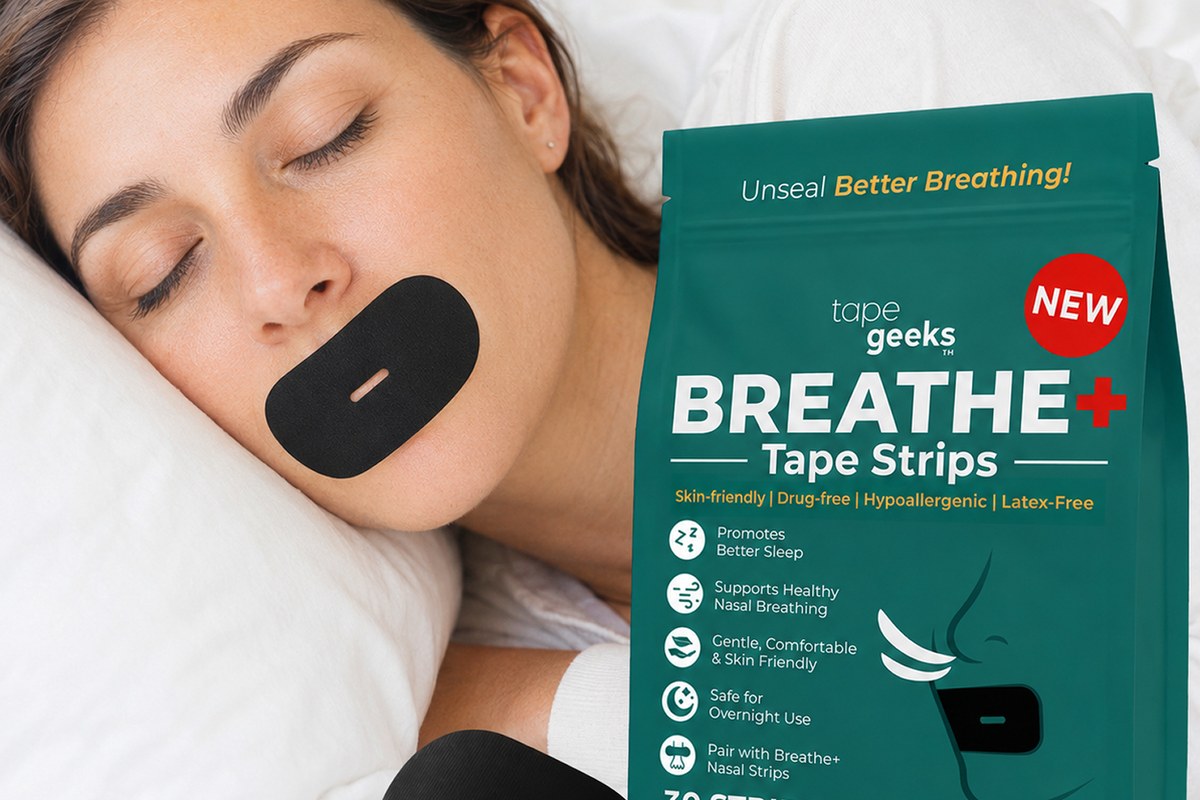
- Use Breathe+ mouth tape only when nasal breathing is comfortable and you want gentle sleep support.
The Bottom Line
Kinesiology tape for runners earns its place as a support and confidence tool — modest in what it physically does, genuinely useful for a niggle you've trained with, and worthless as a substitute for seeing a physio about real pain. Apply it well, use it on familiar spots, and pair it with sensible training, fresh shoes, and real recovery. Being an organizing partner of the Bronte Harbour Classic put TapeGeeks right where we like to be: alongside runners on a big day. Read the full event story in the Bronte Harbour Classic 2026 recap.
Shop TapeGeeks Kinesiology Tape →This guide is part of TapeGeeks' commitment to giving athletes the knowledge and tools they need for strong training, smart racing, and faster recovery.