





How to Stop Snoring: What Actually Works (and What's Overhyped)

Quick answer: To stop snoring, start with the three changes best supported by research: sleep on your side instead of your back, keep your nose clear (nasal strips help many people breathe easier), and skip alcohol within a few hours of bed. If you snore loudly every night or gasp awake, talk to your doctor first — that pattern can signal sleep apnea.
Roughly 3 in 10 men and 1 in 10 women snore habitually, according to population surveys. If you're reading this at 2 a.m. from the guest room, you already know the real cost isn't the noise — it's the tired mornings, the elbow in the ribs, the slow erosion of everyone's sleep. The good news: figuring out how to stop snoring is mostly a matter of matching the fix to the cause, and most of the fixes are free or cheap.
At TapeGeeks, how to stop snoring is the question we get asked more than any other — and we make nasal strips and mouth tape, so we have an obvious interest in the answer. Which is exactly why this guide grades every method by the actual evidence, including where the research on our own product category is mixed. You'll make a better decision with the honest version.
Habitual snoring is roughly three times more common in men than women — but "common" isn't the same as "harmless." Check the red flags below first.
First, rule out the thing that isn't just snoring
Before trying any remedy, check whether your snoring might be obstructive sleep apnea (OSA). This matters more than anything else on this page.
Mayo Clinic lists these warning signs that snoring deserves a doctor's visit:
- Witnessed breathing pauses during sleep
- Gasping or choking at night
- Excessive daytime sleepiness or difficulty concentrating
- Morning headaches
- High blood pressure
- Snoring loud enough to disrupt your partner's sleep every night
Sleep apnea is common and underdiagnosed in Canada: Statistics Canada reported that 6.4% of Canadians said a health professional had diagnosed them with sleep apnea in 2016–2017 — more than double the rate reported in 2009. If any red flag above sounds familiar, ask your doctor about a referral for a sleep study before you spend a dollar on remedies. If you’re in Ontario, SleepClinicFinder.com lists accredited sleep clinics across the GTA and explains how the OHIP-covered referral process works. Every drug-free method below assumes simple snoring, not untreated OSA.
Why you snore (and why it's louder some nights)
Snoring is the sound of soft tissue vibrating in a narrowed airway. When you fall asleep, the muscles of your soft palate, tongue, and throat relax. If the airway narrows enough — from anatomy, congestion, alcohol, or lying on your back — airflow speeds up and the tissue flutters like a flag in wind. The narrower the airway, the more forceful the airflow, the louder the snore.
That's why the same person can be silent on Tuesday and rattling windows on Friday. Two beers, a stuffy nose, and back-sleeping stack on top of each other. Remove one layer and the noise often drops; remove all three and many snorers go quiet.
Which fix first? Rule out sleep apnea red flags, then match the remedy to your bottleneck: nose, mouth, or position.
How to stop snoring: 6 methods ranked by evidence
1. Sleep on your side (strong evidence — if you're a positional snorer)
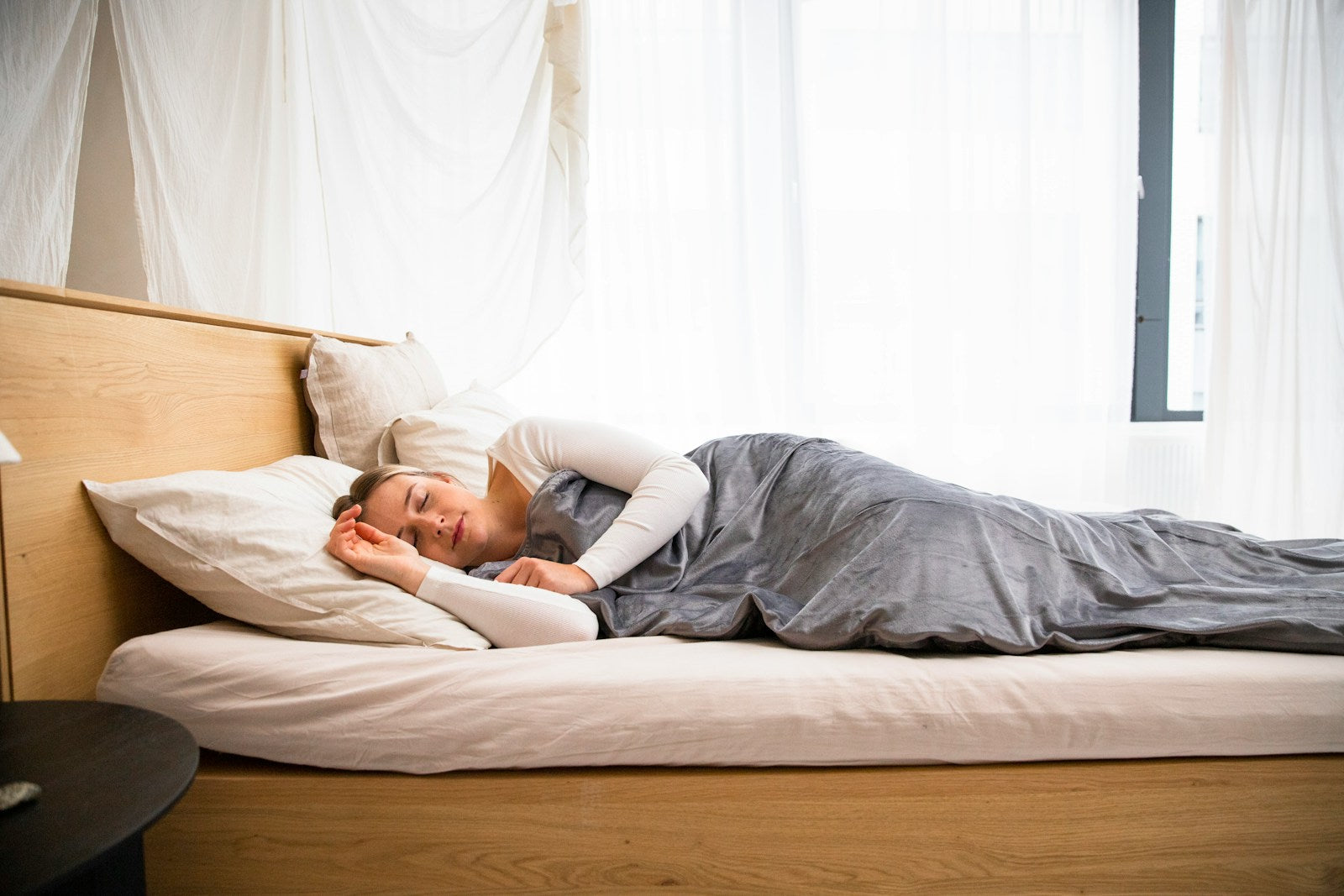
Side sleeping is the single highest-percentage move for most snorers. In one clinical series, 65.8% of non-apneic snorers were position-dependent — meaning their snoring concentrated when they slept on their back. On your back, gravity pulls the tongue and soft palate rearward and narrows the airway; on your side, it doesn't.
The cheap test: have your partner note whether the snoring stops when you roll over. If it does, you're positional, and anything that keeps you off your back — a body pillow, a tennis ball sewn into a sleep shirt, a wedge — attacks the root cause directly.
Best for: back sleepers whose partners confirm the snoring is position-dependent. Not for: people who snore just as loudly on their side — your narrowing is somewhere position can't fix.
2. Keep your nose clear (strong evidence for breathing, mixed for snoring)
A blocked nose forces mouth breathing, and mouth breathing makes snoring worse. Managing congestion — treating allergies, using a saline rinse before bed, addressing a chronically stuffy nose with your doctor — removes a major snoring trigger.
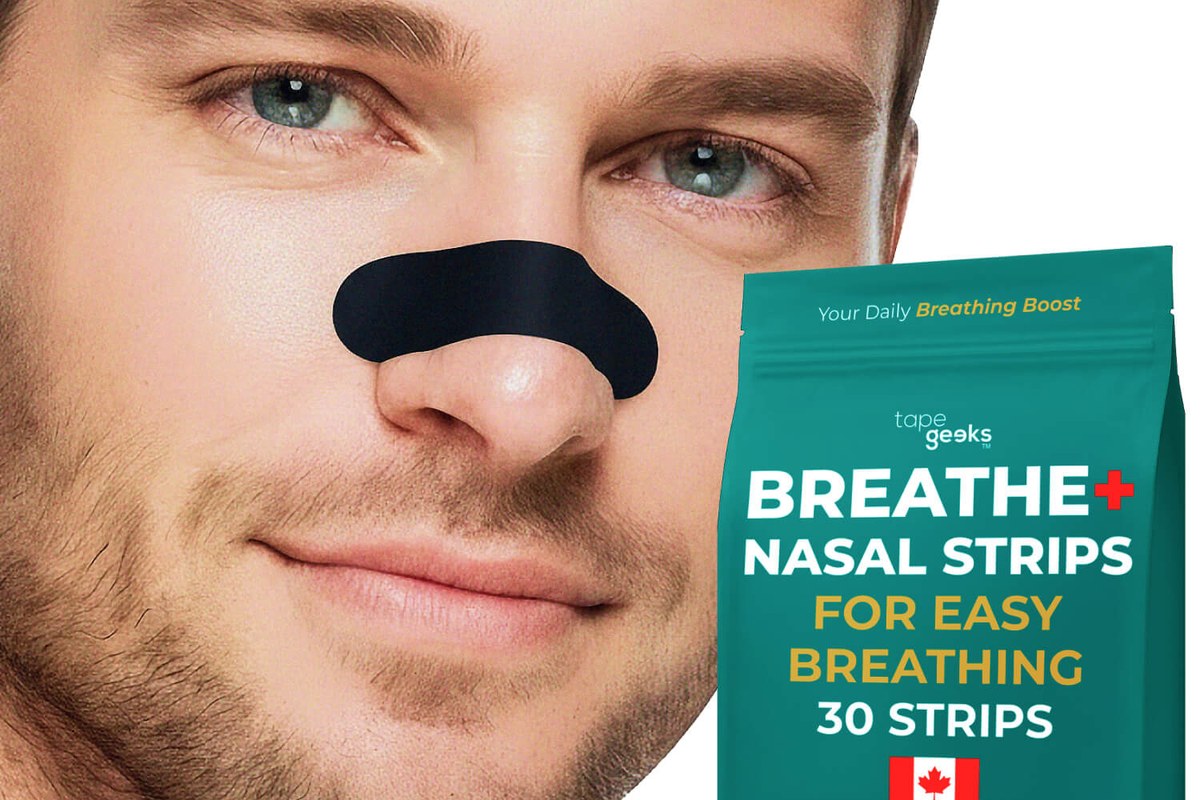
External nasal strips fit here, and the honest read of the research is worth spelling out. Nasal strips mechanically lift the nostril walls to widen the nasal valve, and they reliably make nasal breathing feel easier. On snoring specifically, results are mixed: in a 1997 study in Rhinology, bed partners of 35 habitual snorers rated snoring significantly quieter after two weeks of strip use, while a German clinical study the same year found no change in measured snoring frequency. Translation: strips help most when the nose is the bottleneck — congestion, narrow nasal passages, a mild deviated septum — and do little when the snoring source is deep in the throat.
If you're working out how to stop snoring that comes with a congested nose, TapeGeeks Breathe+ nasal strips are the logical first experiment: drug-free, latex-free, and designed to stay on all night without the morning skin-peel. TapeGeeks nasal strips cost less than a single co-pay, and one week of use tells you whether nasal airflow was your problem.
Best for: congested snorers, mouth-breathers with a blocked nose, anyone whose snoring worsens during allergy season. Not for: clear-nosed snorers whose sound comes from the throat.
3. Cut alcohol before bed (strong evidence)
Alcohol relaxes throat muscles and, as Mayo Clinic notes, decreases your natural defences against airway obstruction. Population research backs the connection: alcohol use was a significant independent risk factor for habitual snoring in multivariate analysis.
You don't have to quit. Finish your last drink three to four hours before bed and you remove most of the effect. Many "mystery" loud nights are just this one variable.
4. Lose weight if you carry extra (strong evidence, slower payoff)
Extra tissue around the throat narrows the airway. The numbers here are unusually clear: in the Wisconsin Sleep Cohort published in JAMA, a 10% weight gain predicted a 32% increase in sleep-disordered breathing severity, while a 10% weight loss predicted a 26% decrease. Few interventions in sleep medicine have numbers that clean.
The same airway, ten percent lighter or heavier, behaves measurably differently. Red marks the direction to avoid; lime is the payoff direction. Few sleep interventions have numbers this clean.
This is the slowest fix on the list, and the one with the biggest side benefits. Pair it with any of the faster methods while you work on it.
5. Mouth taping (early evidence, with real caveats)
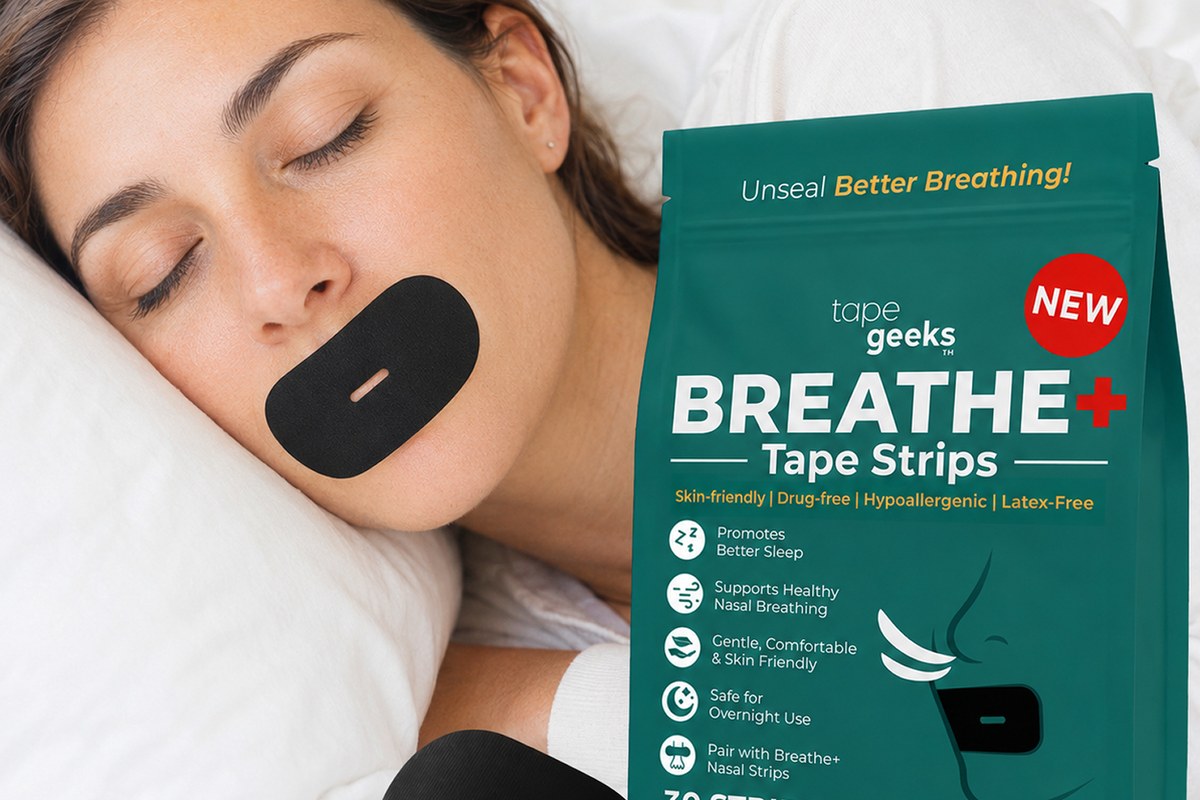
Mouth taping keeps your lips together overnight so you default to nasal breathing. The research is genuinely promising but genuinely early: a 2022 study in Healthcare of 20 mouth-breathing adults with mild sleep apnea found that wearing porous tape over the lips cut the median apnea-hypopnea index from 8.3 to 4.7 events per hour — a 47% improvement — and the snoring index improved alongside it. That's one small, preliminary study, and its authors are explicit that taping is not recommended for moderate or severe sleep apnea.
One small study, honestly labeled: promising numbers in exactly one group — mouth-breathers with mild, already-diagnosed sleep apnea. It tells us nothing about taping over an untreated airway.
The safety rules are non-negotiable. Do not tape if you have untreated or unevaluated sleep apnea, if your nose is blocked, if you've been drinking, or for young children. Test nasal breathing first: if you can't comfortably breathe through your nose for a few minutes while awake, fix the nose before you ever tape the mouth. Our full mouth tape for sleep guide covers technique and who should skip it entirely.
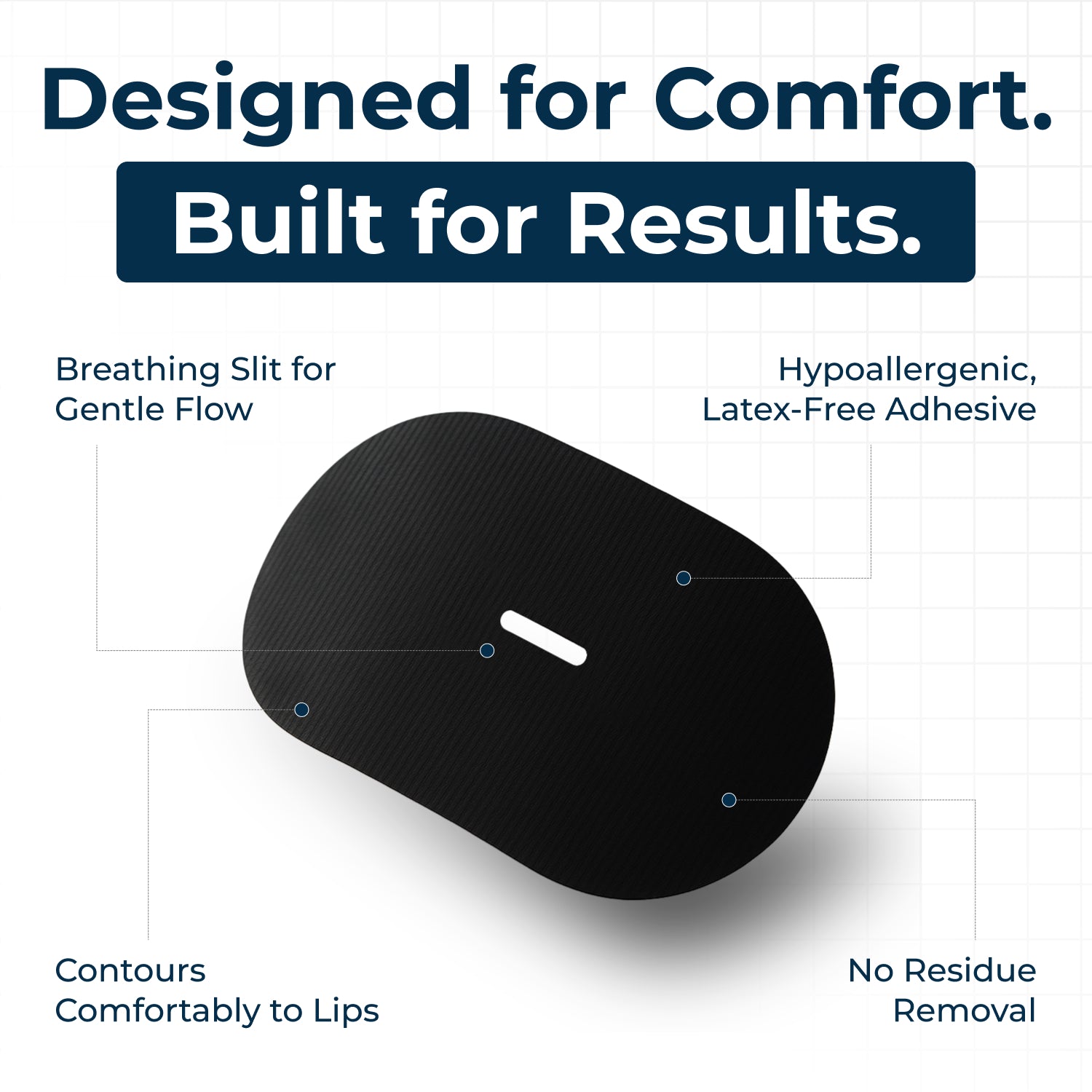
For nose-breathers figuring out how to stop snoring through an open mouth, TapeGeeks Breathe+ Mouth Tape is hypoallergenic, latex-free, and porous — you can breathe through it in a pinch, which is exactly the property the research version used.
Best for: confirmed nose-breathers who snore through an open mouth. Not for: anyone with untreated OSA, nasal obstruction, or a nose that fails the awake breathing test.
6. Anti-snoring gadgets, sprays, and pillows (weak or unproven)
The anti-snoring market is full of products with no published evidence: chin straps, throat sprays, "smart" pillows, nostril cones of uncertain provenance. Some may help some people; most have never been tested. Our rule: if a product category has zero clinical studies, spend your first dollars on the methods above, which are mostly free anyway. We sell breathing products for a living and we'd still tell you the best two snoring interventions on this page — position and alcohol timing — cost nothing.
Nasal strips vs mouth tape: which one first?
The two products solve different problems, and picking wrong wastes a month.
| Nasal strips | Mouth tape | |
|---|---|---|
| Solves | Nose too narrow or congested | Mouth falls open at night |
| Snore sound | Congested, "nosey" snore | Open-mouth rumble, dry mouth mornings |
| Evidence | Mixed on snoring; reliable for nasal airflow | One small positive trial (mild OSA, mouth-breathers) |
| Safety bar | Almost anyone | Must pass the awake nasal-breathing test; no untreated OSA |
Start with strips if your nose is the suspect; add tape only if you wake with a dry mouth despite a clear nose. Many people who ask TapeGeeks how to stop snoring end up using both — clear nasal path in, sealed mouth shut — which is the combination in the Family Sleep Kit. For a deeper comparison, see our nasal strips vs mouth tape guide.
Your first week: a simple protocol
The fastest way to find your snoring cause is to change everything for one week, then subtract. Tonight, do these in order:
Roll to your side
Body pillow braced behind your back so you can't flop over mid-sleep.
Clear the nose
Saline rinse after brushing your teeth; nasal strip on before lights out.
Move last call earlier
No alcohol within 3–4 hours of bed. This one variable explains many loud nights.
Get a witness
Partner notes or a phone recording app. One week of data shows which variable was yours.
If a week of all four changes nothing — or if any OSA red flag from the top of this page applies — book the doctor's appointment. Loud, nightly, unresponsive snoring is a medical question, not a product question.
FAQ
The bottom line
Most of how to stop snoring comes down to unglamorous fixes: your position, your nose, your last drink, your weight — and TapeGeeks can only help with one of the four. Grade yourself against the red-flag list first, then run the one-week protocol and change one variable at a time. When the nose turns out to be the bottleneck — and for a big share of Canadian snorers it is — TapeGeeks Breathe+ nasal strips and mouth tape are the drug-free, latex-free way to keep the airway you were built with working all night. Better sleep through better breathing — for you and whoever shares the wall.