


🏃 Back for Year 2 — Mercedes-Benz Oakville Bronte Harbour Classic 1K, 5K & 10K  •  June 20, 2027  •  Oakville  •  bronteharbourclassic.com 🚚 FREE shipping on orders CA$50+ (Canada)  •  US$40+ (USA) 👶 Kids Nasal Strips ship FREE in Canada — no minimum  •  Shop Breathe+ Kids

SHIPS FREE FOR ORDERS $50+  •  😴 FREE Better Sleep Guide

SHIPS FREE FOR ORDERS $50+  •  😴 FREE Better Sleep Guide

Search

Search

Self-Adherent
Sticks to itself, not skin
No Residue
No pulling hair or skin
Multi-Use
Sport, first aid, pets & more
Light Compression
Support that stays put
Canadian
Owned & operated

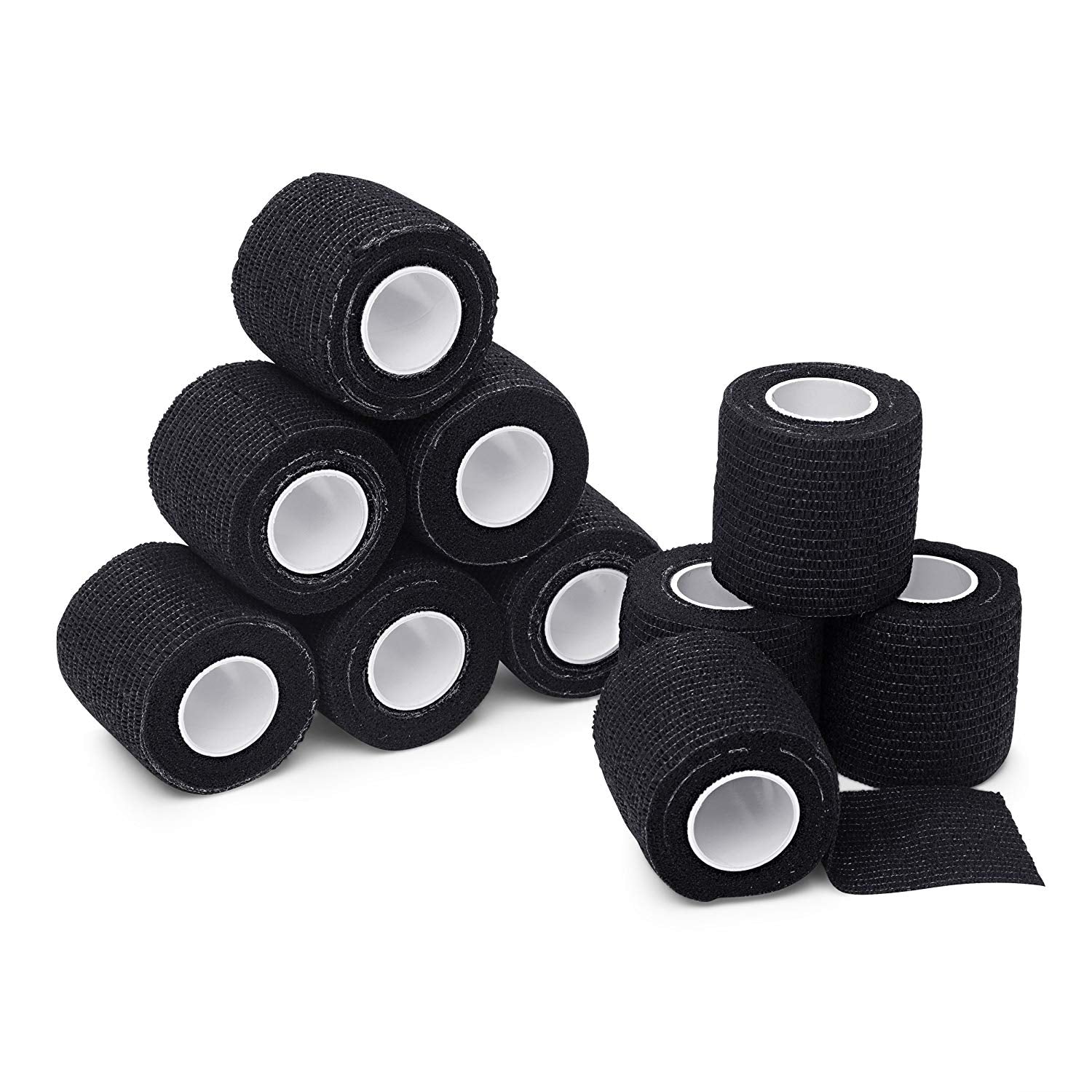
Cohesive bandages and wraps that stick to themselves — never to your skin or hair. A cohesive bandage (also called self-adherent wrap, vet wrap, or by the brand name Coban) clings only to itself, so it wraps snugly for light compression and support and then unwraps cleanly with no sticky residue and no painful pull. TapeGeeks wraps are stretchy, tearable by hand, breathable, and endlessly multi-use — for sports, first aid, swelling, grip, and even your pets.

This collection also includes elastic adhesive bandage (EAB) and foam underwrap to round out your kit. Not sure whether you want a self-sticking cohesive wrap, a rigid athletic tape, or stretchy kinesiology tape? The guide below explains the differences, how to wrap safely without cutting off circulation, and the many ways people use these beyond the first-aid kit.

Other Information  +

A complete guide to cohesive bandages and wraps — what they are, how they differ from adhesive tape and kinesiology tape, how to wrap safely, how long to leave them on, and the many ways to use them. This is educational information, not medical advice.

What a cohesive bandage is

A cohesive bandage is a stretchy wrap with a special coating that makes it stick to itself but not to skin, hair, or clothing. You wrap it around a limb, and it grips its own layers to stay put — then peels apart cleanly when you unwrap it. Because there's no adhesive touching you, there's no residue and no painful removal, which is why it's a first-aid and sports-kit favourite.

Cohesive vs adhesive bandage — the difference

An adhesive bandage or tape sticks directly to your skin (like athletic tape or a Band-Aid). A cohesive bandage sticks only to itself. That single difference is why cohesive wrap is so easy to remove, reusable in a pinch, and safe over hairy areas — but also why it's about light compression and holding a dressing in place rather than the firm skin-anchored lockdown of rigid tape.

Is a cohesive bandage the same as vet wrap or Coban?

Essentially, yes. “Vet wrap,” “Coban,” “self-adherent wrap,” and “cohesive bandage” all describe the same self-sticking elastic wrap — the names come from different markets (veterinary, brand-name, medical). Human-grade cohesive bandage and vet wrap are the same basic product, which is exactly why people use one interchangeably for the other.

Is a cohesive bandage the same as kinesiology tape?

No. Kinesiology tape is a thin adhesive tape that sticks to your skin for days to give light support and sensory feedback. A cohesive bandage is a thicker wrap that sticks to itself for compression and holding dressings. Different jobs: tape for targeted skin-level support, cohesive wrap for wrapping and light compression.

What cohesive bandages are used for

The classics: holding a wound dressing or gauze in place, light compression for a minor sprain or swelling, securing cold/hot packs, supporting wrists and ankles during sport, and protecting the hands. Because they don't stick to skin, they're gentle enough for kids and the elderly and reusable enough for everyday kit.

The many multi-uses (beyond the first-aid kit)

Cohesive wrap is a genuine multi-tool. People use it for: pets (the original “vet wrap” for dogs, horses, and small animals, and warm paw covers in winter), grip (wrapping barbells, tools, rackets, and hockey sticks for a tackier hold), crafts and hobbies (pottery hoop tension, cosplay, gripping jar lids), travel (a compact, residue-free fix-anything wrap), and bundling cables or padding awkward loads. It's one of those things people keep buying once they discover the uses.

How to apply a cohesive bandage

Wrap with a light, even stretch and overlap each turn by about half the width. A little stretch gives gentle compression; you do not want to pull it tight. Anchor the first turn, work up the limb, and press the final layer against itself to seal. It should feel snug and supportive, never throbbing. Because it self-adheres, no clips or pins are needed.

How tight is too tight? (compression safety)

This is the one real risk with any wrap: too much compression cuts off circulation. Keep it light, and check the fingers or toes beyond the wrap — if they go pale, blue, numb, cold, or tingly, or if the area swells below the wrap, it's too tight. Unwrap and reapply looser. When in doubt, wrap looser; you can always add a turn.

How long can you leave a cohesive bandage on?

For light support during activity, wear it for the session and take it off after. If you're using it for compression on a fresh injury, loosen or remove it periodically to let circulation return, and don't leave a compressive wrap on overnight unless a professional has told you to. Always remove it if it starts to feel tight as swelling changes.

Can you sleep with a cohesive bandage on?

Generally, take a compressive wrap off before sleep. Swelling and circulation change overnight, and a wrap that felt fine at bedtime can become too tight. If you've been advised to keep an area wrapped, keep it light and check it — but for everyday sprains and support, remove it at night.

How to remove it (and can you reuse it?)

Just unwrap it — because it only sticks to itself, there's no adhesive to peel off your skin and no residue. If you unwrap carefully, a cohesive bandage can often be re-rolled and reused a few times before it loses its cling. That reusability is part of the appeal.

Cohesive bandage for swelling and sprains

For a minor sprain, light compression from a cohesive wrap is part of the classic rest-ice-compression-elevation approach — it can help manage mild swelling and give a supportive feel. Keep it light, remove it regularly, and remember it supports rather than treats: a significant or painful sprain should be assessed by a professional.

Elastic adhesive bandage (EAB) and underwrap

The collection also includes elastic adhesive bandage (EAB) — a stretchy tape that does stick to skin, giving supportive strapping that still allows some movement (a middle ground between rigid athletic tape and cohesive wrap) — and foam underwrap, the thin protective layer you put under adhesive tape to guard skin and ease removal. Together they cover most strapping and wrapping needs.

Which wrap should I use?

Product Sticks to Best for
Cohesive bandage / vet wrap Itself only Light compression, dressings, pets, grip, multi-use; no residue
Elastic adhesive bandage (EAB) Skin Support that allows some movement
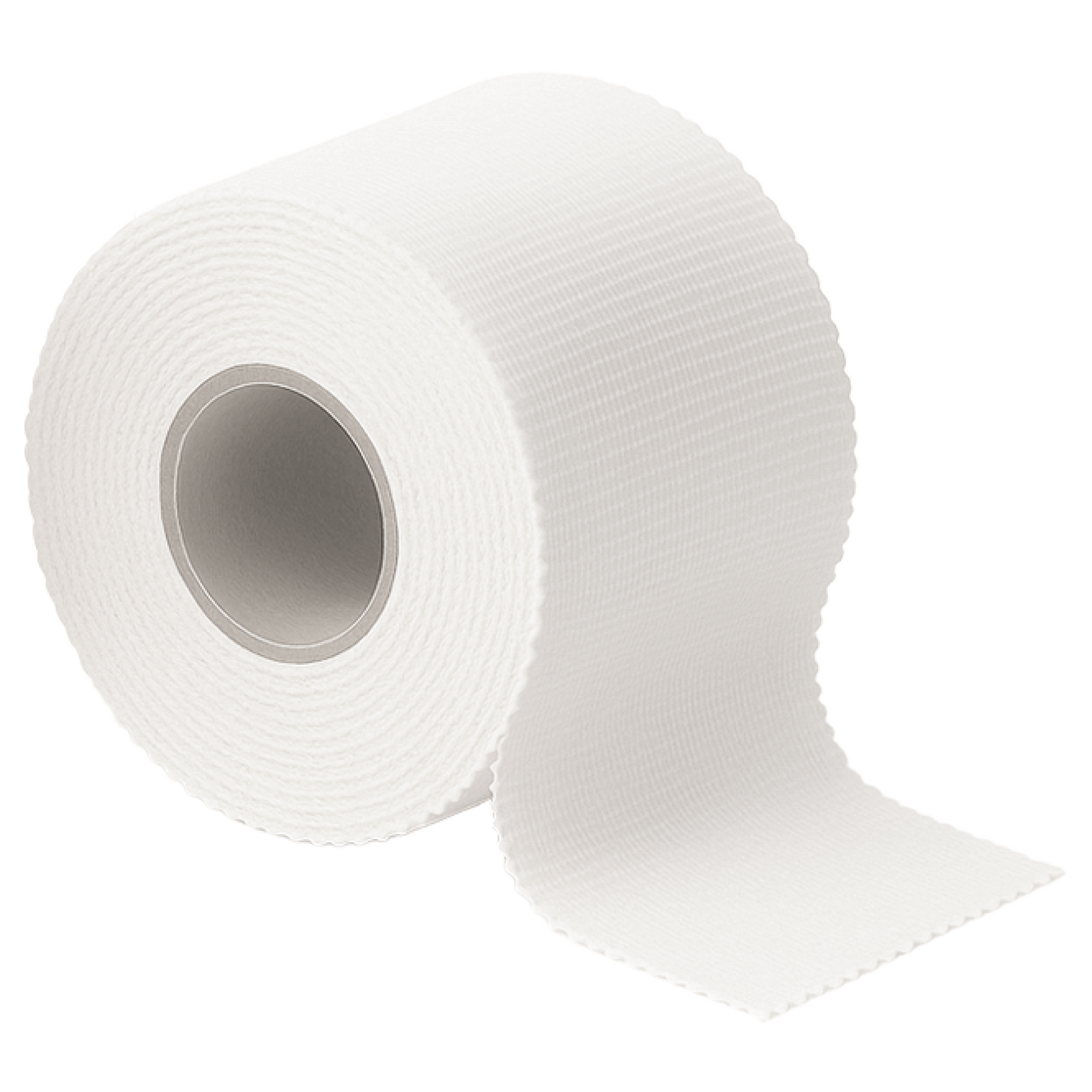
Athletic (white) tape Skin Firm, rigid joint lockdown; short-term
Kinesiology tape Skin Light support + feedback, multi-day wear

Using cohesive wrap on pets

Cohesive bandage is the original “vet wrap” — it's used on dogs, cats, horses, and small animals to hold dressings and give light support without sticking to fur. Human-grade and veterinary cohesive wraps are the same basic product. As with people, never wrap a pet's limb tightly, watch for swelling below the wrap, and see a vet for any real injury.

Common myths, cleared up

  • “Cohesive and adhesive are the same.” No — cohesive sticks to itself, adhesive sticks to skin.
  • “It's the same as kinesiology tape.” No — different job (compression/wrapping vs skin-level support).
  • “Tighter gives more support.” Too tight cuts circulation; keep it light.
  • “Vet wrap is only for animals.” It's the same product people use for grip, first aid, and more.
  • “It heals injuries.” It supports and compresses lightly; it doesn't treat the injury.

A quick glossary

  • Cohesive bandage: stretchy wrap that sticks to itself, not skin (a.k.a. self-adherent wrap, vet wrap, Coban).
  • Compression: gentle inward pressure from a wrap that helps manage mild swelling.
  • EAB (elastic adhesive bandage): stretchy tape that sticks to skin for supportive strapping.
  • Underwrap: thin foam applied under adhesive tape to protect skin.
  • Vet wrap: the veterinary name for cohesive bandage — the same product.

Safety & when to see a professional

Cohesive wraps are for light support and holding dressings, not treatment. Keep every wrap light enough to preserve circulation, and remove it if fingers or toes go pale, numb, cold, or tingly. See a professional for a significant sprain, a wound that needs proper care, numbness, or swelling that keeps increasing. For pets, see a vet for any real injury.

Frequently Asked Questions

What does a cohesive bandage do?
A cohesive bandage wraps around a limb to give light compression and support and to hold dressings in place. It sticks only to itself, so it stays put without any adhesive on your skin, then unwraps cleanly with no residue and no painful pull.
What's the difference between adhesive and cohesive bandages?
An adhesive bandage or tape sticks directly to your skin. A cohesive bandage sticks only to itself. That's why cohesive wrap comes off cleanly with no residue, is safe over hairy skin, and can be reused — but it's for light compression and wrapping rather than firm skin-anchored support.
Is a cohesive bandage the same as vet wrap or Coban?
Essentially yes. 'Vet wrap,' 'Coban,' 'self-adherent wrap,' and 'cohesive bandage' all describe the same self-sticking elastic wrap — the names just come from different markets. Human-grade cohesive bandage and vet wrap are the same basic product.
Is a cohesive bandage the same as kinesiology tape?
No. Kinesiology tape is a thin adhesive tape that sticks to skin for days to give light support and feedback. A cohesive bandage is a thicker wrap that sticks to itself for compression and holding dressings. They do different jobs.
What are cohesive bandages used for?
Holding wound dressings or gauze in place, light compression for minor sprains and swelling, securing cold or hot packs, supporting wrists and ankles during sport, and protecting the hands. Because they don't stick to skin, they're gentle enough for kids and reusable enough for everyday kits.
How long can you leave a cohesive bandage on?
For light support during activity, wear it for the session and remove it after. If you're using it for compression on a fresh injury, loosen or remove it periodically to let circulation return, and don't leave a compressive wrap on overnight unless a professional advises it. Remove it if it starts feeling tight.
Can you sleep with a cohesive bandage on?
Generally, take a compressive wrap off before sleep. Swelling and circulation change overnight, and a wrap that felt fine at bedtime can become too tight. For everyday sprains and support, remove it at night.
How tight should a cohesive bandage be?
Light and even — just enough stretch for gentle compression, never tight. Check the fingers or toes beyond the wrap: if they go pale, blue, numb, cold, or tingly, or the area swells below the wrap, it's too tight. Unwrap and reapply looser.
How do you apply a cohesive bandage?
Wrap with a light, even stretch, overlapping each turn by about half the width. Anchor the first turn, work up the limb, and press the final layer against itself to seal — no clips or pins needed. It should feel snug and supportive, never throbbing.
How do you remove a cohesive bandage?
Just unwrap it. Because it only sticks to itself, there's no adhesive to peel off your skin and no residue. If you unwrap carefully, you can often re-roll and reuse it a few times before it loses its cling.
Can you reuse a cohesive bandage?
Often yes, a few times. Since it self-adheres with no skin adhesive, a carefully unwrapped bandage can be re-rolled and used again until it loses its grip. That reusability is part of the appeal — though for wound care use a fresh wrap.
Can I use a cohesive bandage on my dog or other pets?
Yes — cohesive bandage is the original 'vet wrap,' used on dogs, cats, horses, and small animals to hold dressings and give light support without sticking to fur. Human-grade and veterinary versions are the same basic product. Never wrap a pet's limb tightly, watch for swelling below the wrap, and see a vet for any real injury.
Is cohesive bandage waterproof?
It's water-resistant and breathable, and holds through sweat and splashes, but it's not designed for prolonged submersion. It handles a workout or a rainy walk fine; for swimming, expect it to loosen.
Does a cohesive bandage stick to hair or skin?
No — that's the whole point. It clings only to its own layers, so it doesn't pull hair or skin and leaves no residue, which makes it comfortable to remove even over hairy areas.
Can a cohesive bandage help with swelling or a sprain?
Light compression from a cohesive wrap is part of the classic rest-ice-compression-elevation approach for a minor sprain and can help manage mild swelling and give a supportive feel. Keep it light, remove it regularly, and get a significant or painful sprain assessed — it supports rather than treats.
Can I use a cohesive bandage for grip?
Yes — people wrap barbells, tools, rackets, and hockey sticks with cohesive bandage for a tackier, more comfortable hold, and wrap thumbs or hands for grip in the gym. It's a popular, residue-free grip aid.
What's the difference between a cohesive bandage and an elastic adhesive bandage (EAB)?
A cohesive bandage sticks only to itself for light compression and easy removal. An elastic adhesive bandage sticks to your skin, giving supportive strapping that still allows some movement — a firmer, skin-anchored option that sits between cohesive wrap and rigid athletic tape.
Cohesive bandage vs athletic tape — which do I need?
Use athletic tape for firm, rigid joint lockdown that sticks to the skin for a single session. Use a cohesive bandage for light compression, holding dressings, and multi-use wrapping with no residue. They solve different problems and many kits carry both.
Does a cohesive bandage leave residue?
No. Because there's no adhesive against your skin, it comes off completely clean — one of the main reasons people prefer it over sticky tapes for wrapping.
Is it safe to use on kids and elderly skin?
Yes — since it doesn't stick to or pull skin, cohesive wrap is gentler for fragile skin than adhesive tapes. Still wrap lightly and check circulation, and avoid it over wounds that need proper dressing.
How do I stop a cohesive bandage from unrolling or slipping?
Give it a light stretch as you wrap and overlap each turn by about half — the stretch and the self-cling keep it in place. Press the final few centimetres firmly against the layer beneath to seal the end. If it still slips, you likely wrapped it too loosely or without stretch.
What widths of cohesive bandage should I choose?
Narrower wraps suit fingers, wrists, and small areas; wider wraps suit knees, ankles, and larger limbs (and pets). Check the product page for the sizes available and pick the width closest to the body part you're wrapping.
Can cohesive bandage cut off circulation?
It can if wrapped too tightly, like any compression wrap. Keep it light and even, and remove it immediately if the area below the wrap goes pale, numb, cold, tingly, or swells. When unsure, wrap looser.
Can I use a cohesive bandage over a wound?
Use it to hold a proper dressing or gauze in place over a wound — not directly on the open wound itself. Clean and dress the wound first, then secure the dressing with the wrap. For a serious wound, get medical care.
Is cohesive bandage latex-free?
Some cohesive bandages contain latex and some don't — if you have a latex allergy, check the specific product's materials before use. Choose a latex-free wrap if you or the person you're wrapping is sensitive.
What are the different names for cohesive bandage?
You'll see it called self-adherent wrap, self-adhering bandage, cohesive wrap, vet wrap, and the brand name Coban — all the same type of self-sticking elastic bandage.
When should I see a professional?
See a professional for a significant sprain, a wound that needs proper care, numbness or tingling, or swelling that keeps increasing despite light compression. Cohesive wraps support and hold dressings — they don't treat injuries. For pets, see a vet for any real injury.
Ask Tappy! 👋
Tappy
Tappy Tappy AI assistant